Skip to content
Pedro Furtivo Tequila, home
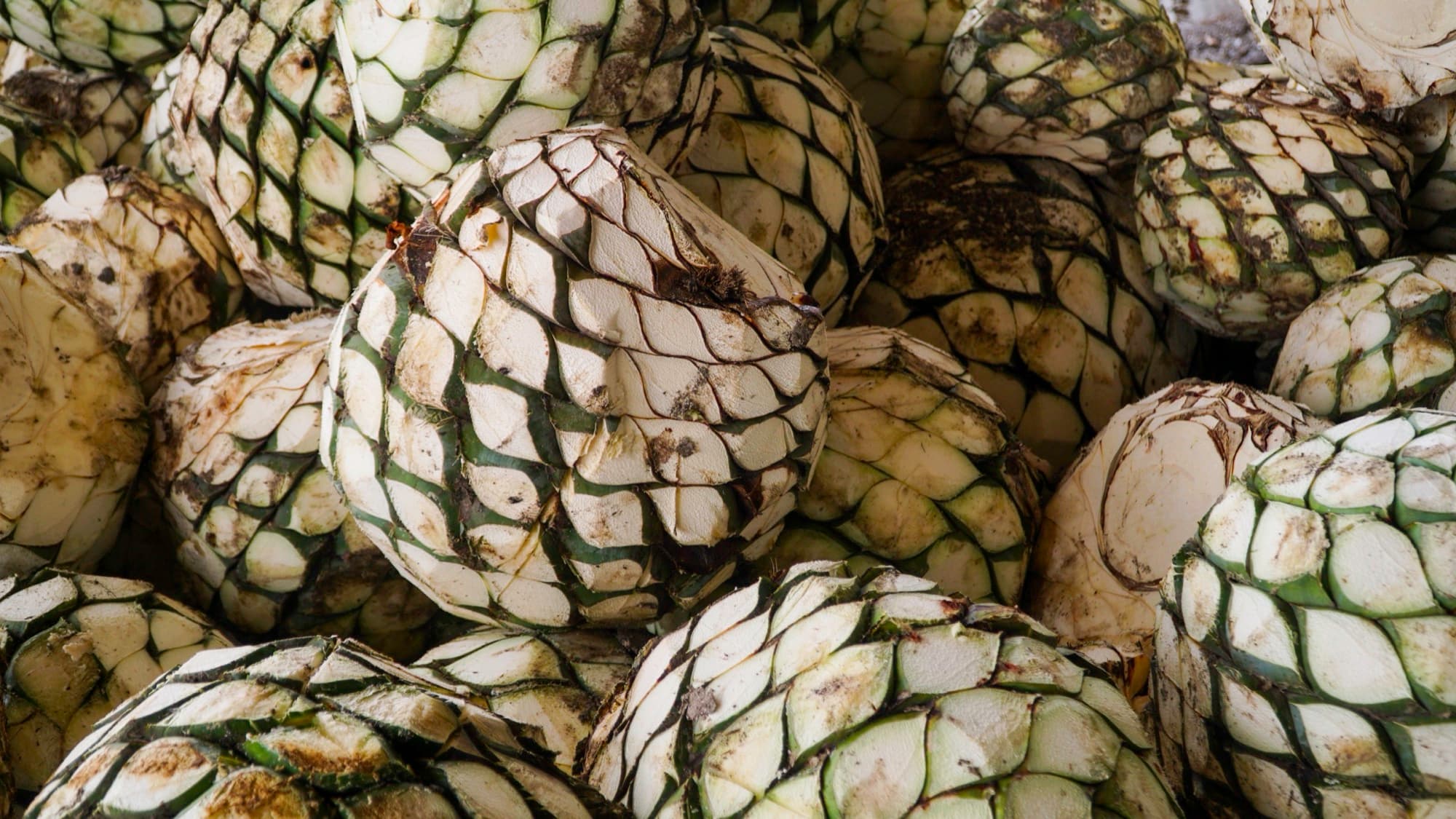
Freshly harvested agave piñas piled high

Our Process · Seven steps

From agave to bottle.

Pedro Furtivo is 100% agave azul from a single estate, certified additive-free. Here is how the agave from the Martinez family estate becomes the tequila: what happens at every stage, how we do it, and why it matters.

Equipment and timings for each step are being confirmed with our production team; what you read here is what we can confirm today.

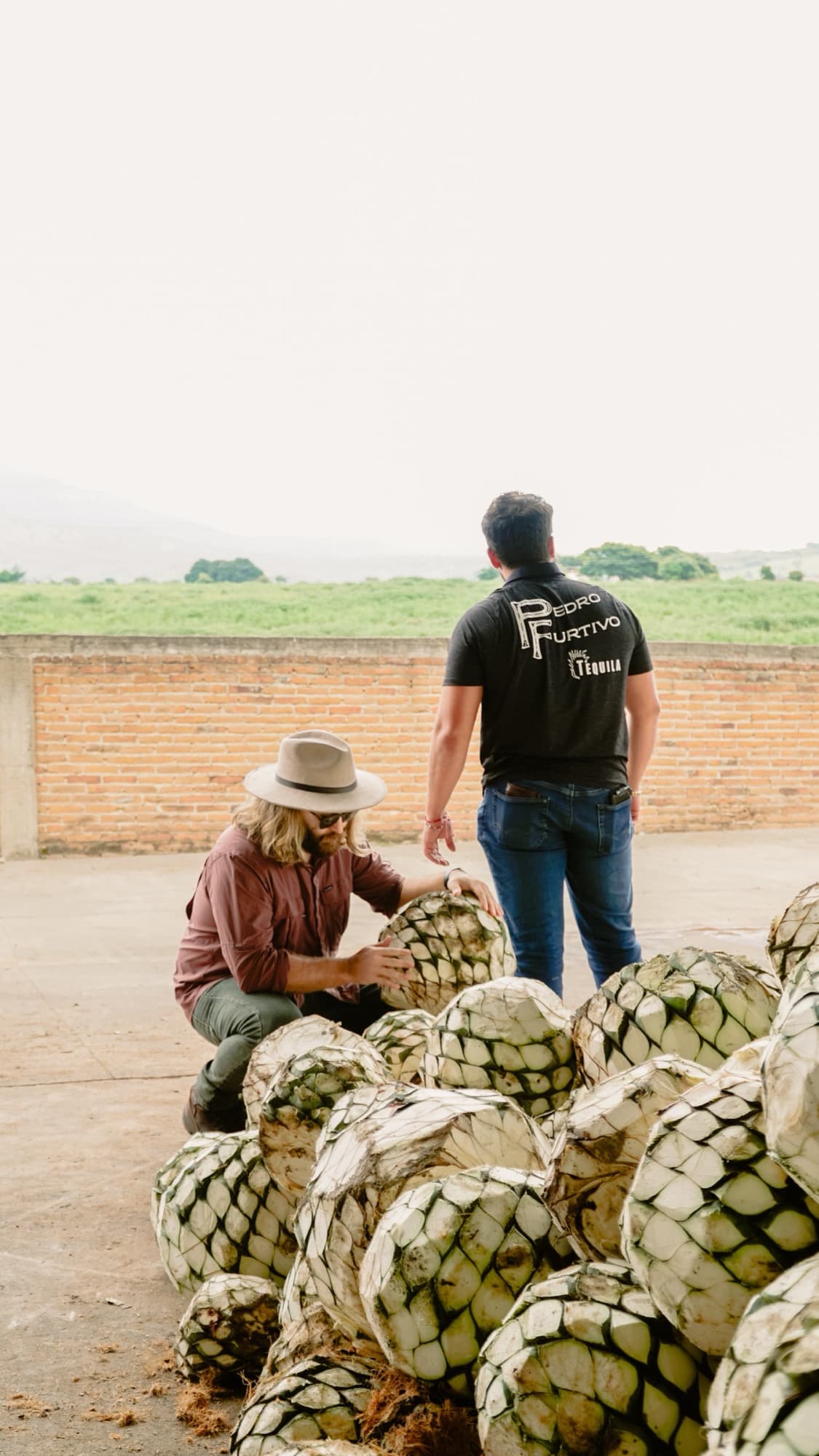
Freshly harvested agave piñas stacked in the yard, with two of the Pedro Furtivo team beside them

I. Cultivo y Jima

Step 1: Growing & harvesting

What happens
Blue agave grows for years before it can be harvested. When a plant is ready, the jimador cuts away its long leaves to free the heart, the piña, which is what tequila is made from.
How Pedro Furtivo does it

Every piña comes from one place: the Martinez family estate in Ixtlahuacán del Río, Jalisco.

It takes a minimum of six years for agave to reach full maturity; we harvest fully matured agave azul, six to seven years old.

Why it matters
A mature piña carries more natural sugar and more of the agave’s character, and that is where the flavor of the finished tequila begins.
Agave
100% agave azul
Age at harvest
6–7 years
Source
Single estate
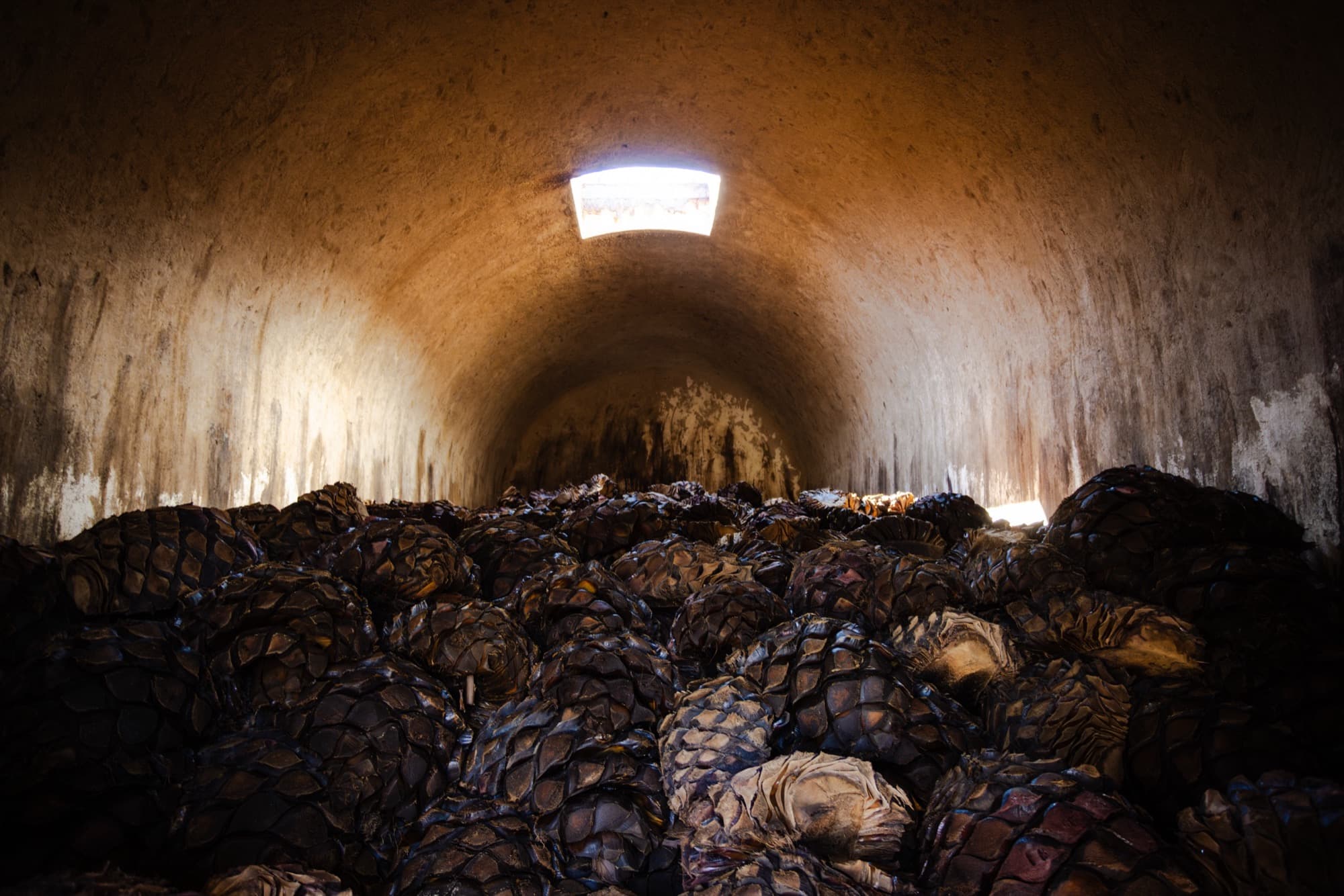
Cooked agave piñas piled inside a vaulted brick oven

II. Cocción

Step 2: Cooking

What happens
Raw agave can’t be fermented. Cooking the piñas breaks down their starches and carbohydrates into fermentable sugars, and gives tequila its cooked-agave sweetness.
How Pedro Furtivo does it

We slowly cook our harvested piñas in large ovens to convert their starches and carbohydrates into fermentable sugar.

The cooked agave then rests for up to 48 hours.

Why it matters
Slow cooking converts the sugars gently, keeping the rich cooked-agave flavor you taste in every expression.
Method
Slow-cooked in large ovens
Rest
Up to 48 hours
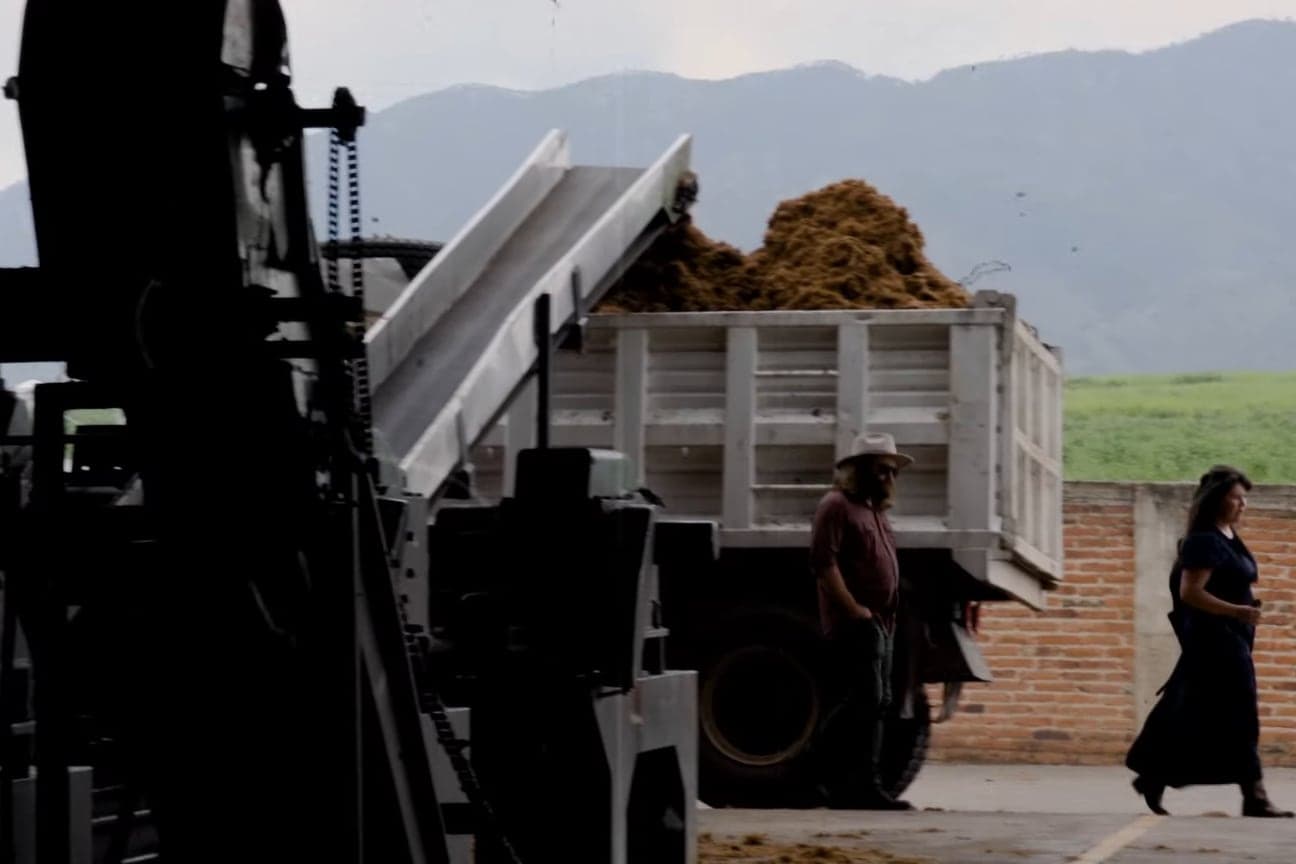
Shredded agave fiber falling from the mill's conveyor into a truck at the distillery, from the Origin Story film

III. Extracción

Step 3: Extraction

What happens
The cooked piñas are shredded or crushed and rinsed with water to release their sugary juice, called mosto in Spanish. The spent fibers, the bagazo, are left behind.
How Pedro Furtivo does it

Our cooked agave is carefully shredded and its juice extracted, creating our mosto.

Why it matters
Careful extraction takes the sweet juice from the cooked agave without pulling harsh, bitter notes from the fiber.
Result
Agave juice (mosto)
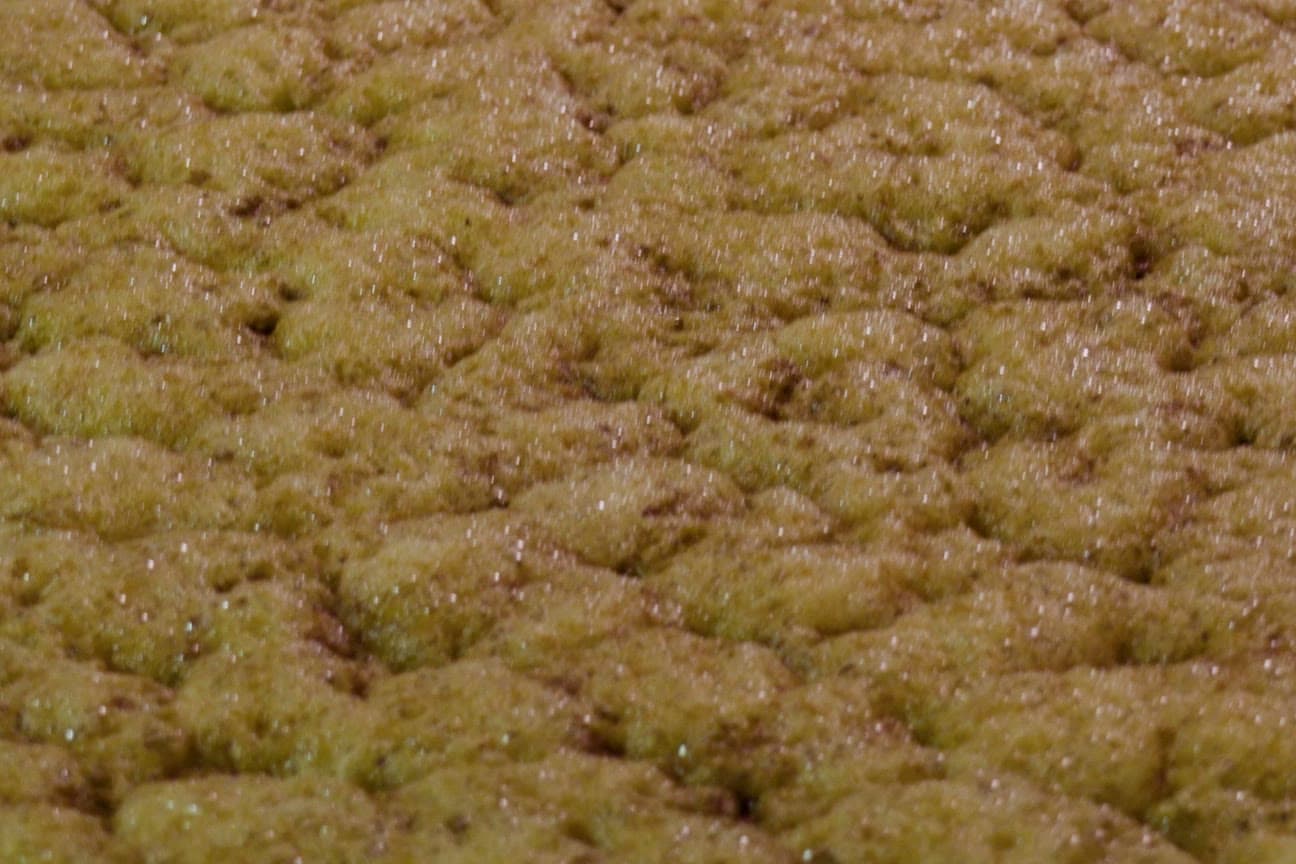
Agave juice foaming as it ferments, from the Origin Story film

IV. Fermentación

Step 4: Fermentation

What happens
Yeast turns the sugars in the mosto into alcohol. The yeast, the water and the length of fermentation all shape the flavors that will carry through to the glass.
How Pedro Furtivo does it

Our mosto is inoculated with wild yeast and left to ferment for 12 days.

We use deep-well water from the Martinez family land, and some rain water.

Fermentation is open-air.

Why it matters
A long, wild fermentation develops depth and complexity that a fast one can’t, and the estate’s own water ties the spirit to the place it comes from.
Yeast
Wild
Time
12 days
Water
Estate deep well + rain water
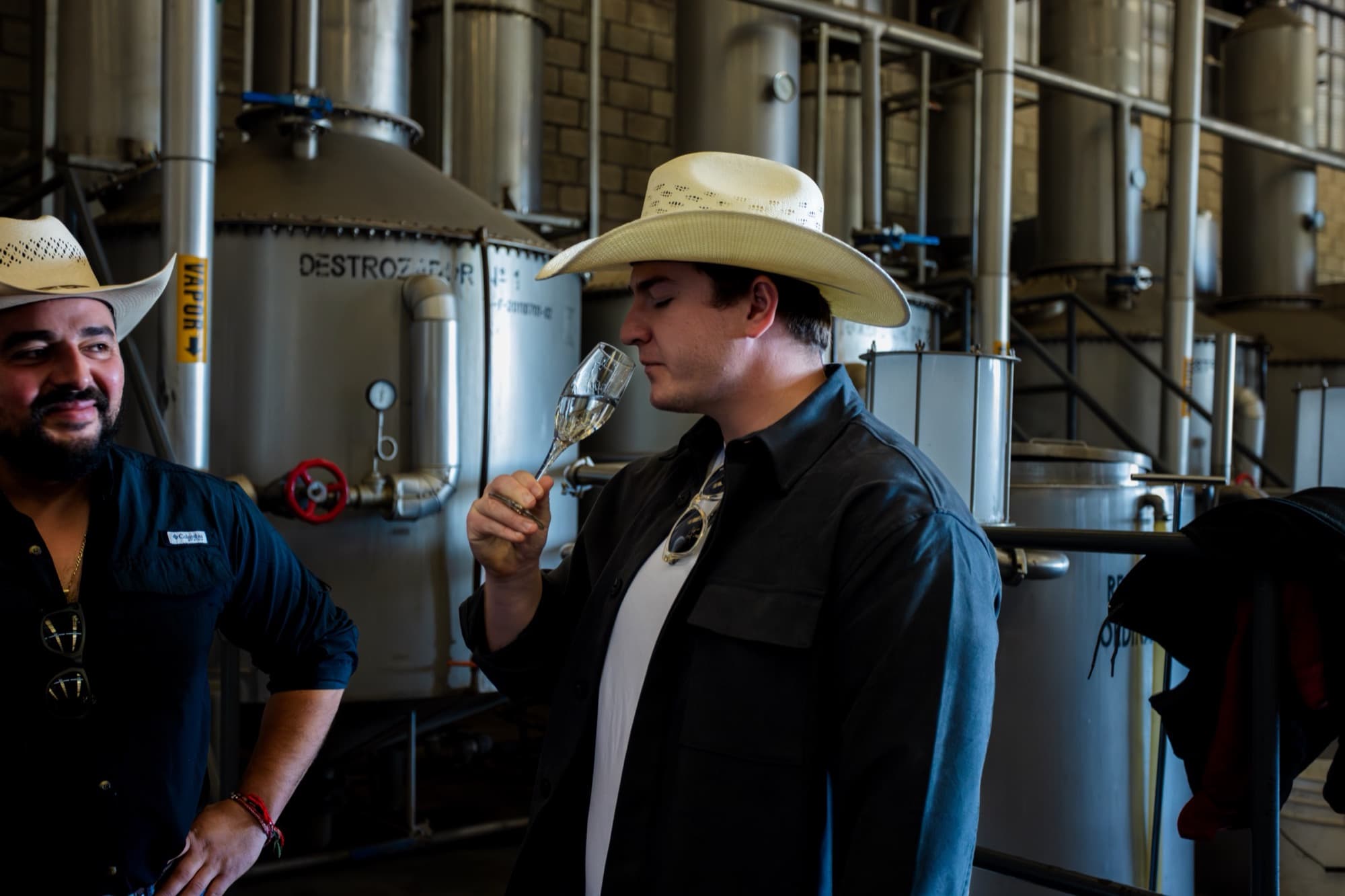
A member of the Pedro Furtivo team nosing a glass of tequila beside the stills at the distillery

V. Destilación

Step 5: Distillation

What happens
Tequila is distilled at least twice. The first run separates alcohol from the fermented mosto; the second refines it, and the distiller keeps only the heart of the run.
How Pedro Furtivo does it

Our tequila is double-distilled in traditional pot stills to separate the alcohol from impurities.

Distilled at NOM 1360.

Why it matters
Pot stills work slowly, in small batches, keeping more of the agave’s body and flavor in the finished spirit.
Stills
Traditional pot stills
Runs
Double-distilled
NOM
1360
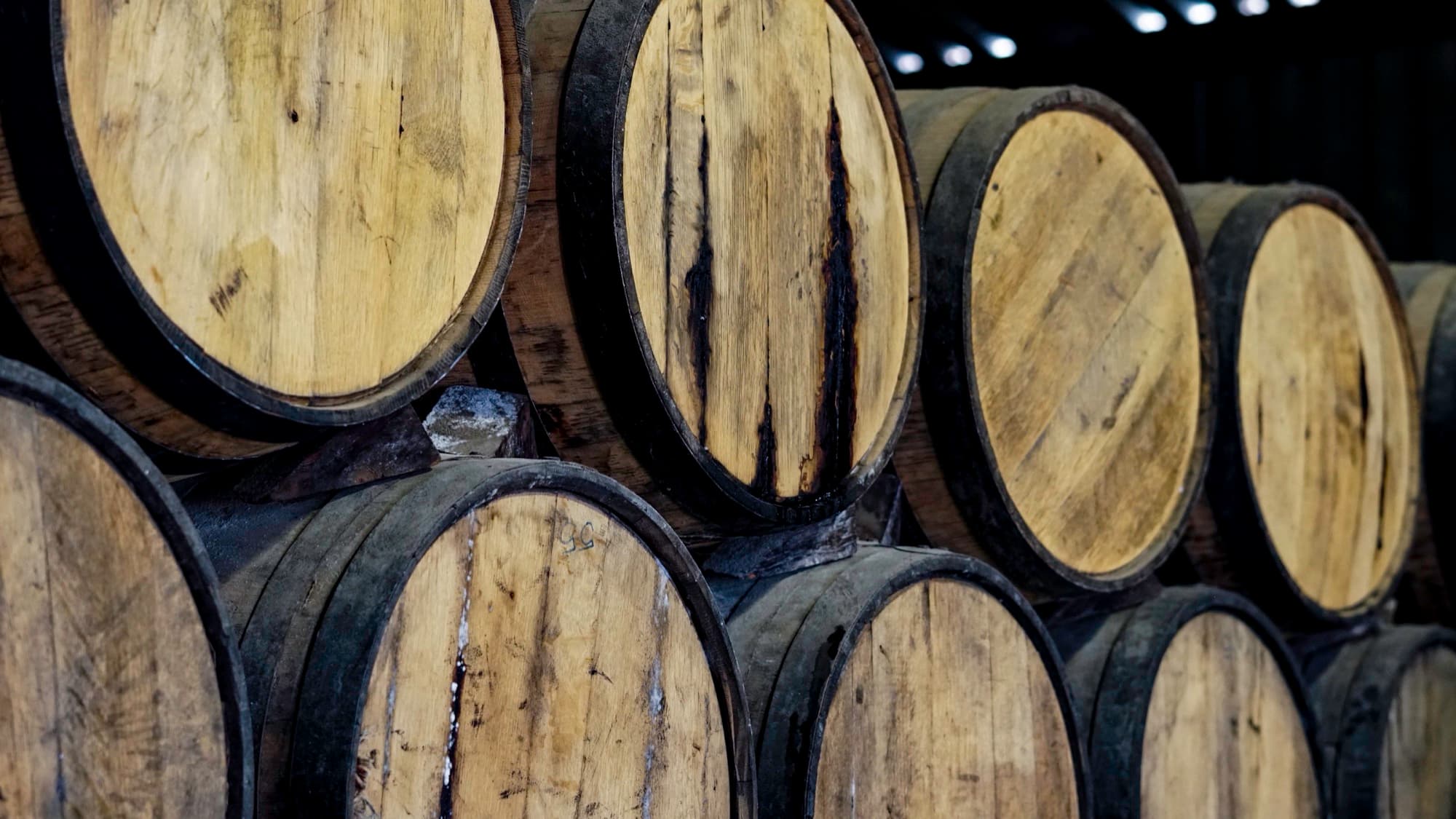
Rows of oak barrels resting in the aging room

VI. Reposo y Añejamiento

Step 6: Aging or resting

What happens
Blanco is bottled unaged. A reposado rests in oak for at least two months and an añejo for at least a year; the barrels add color and notes like vanilla, caramel and spice.
How Pedro Furtivo does it

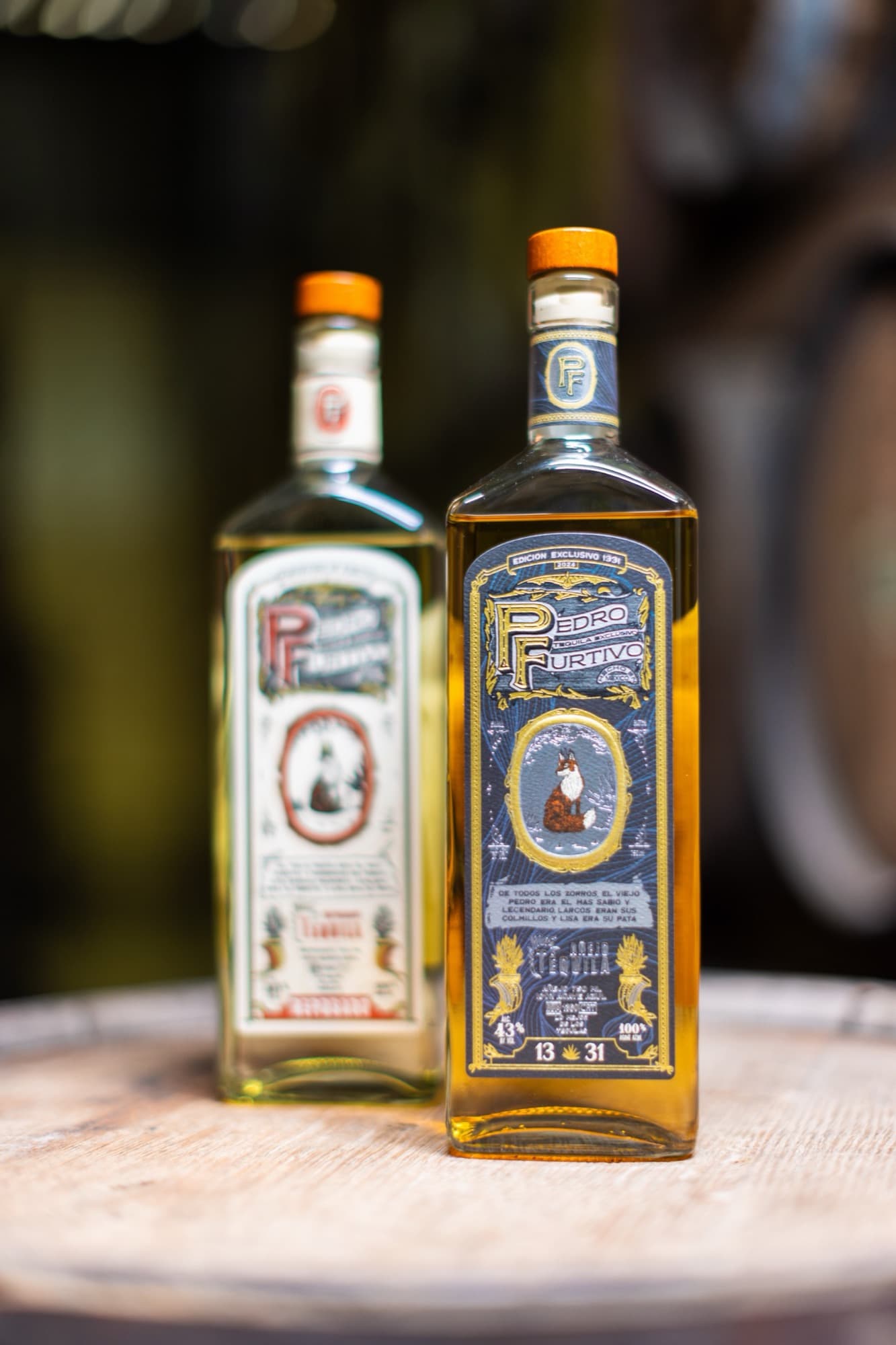
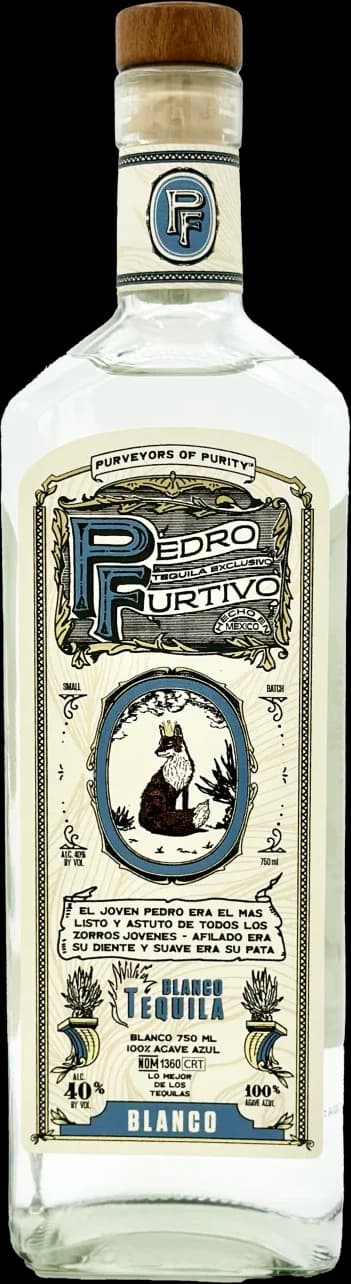
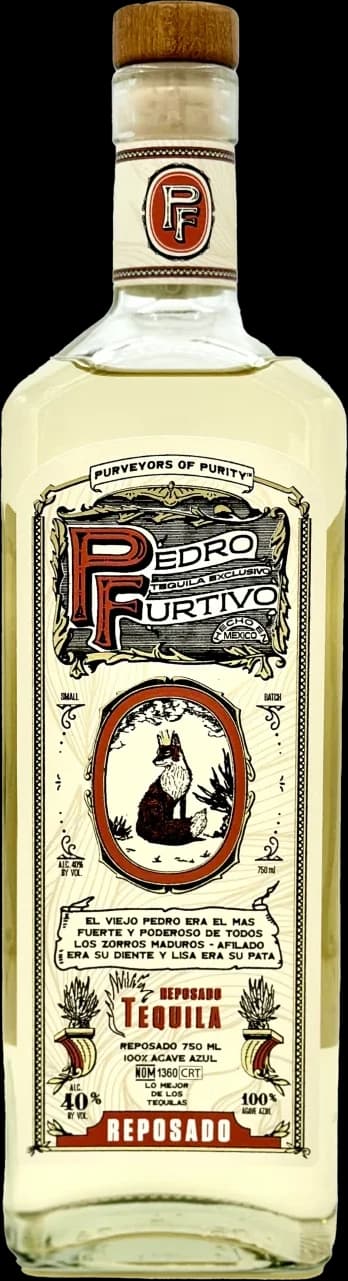
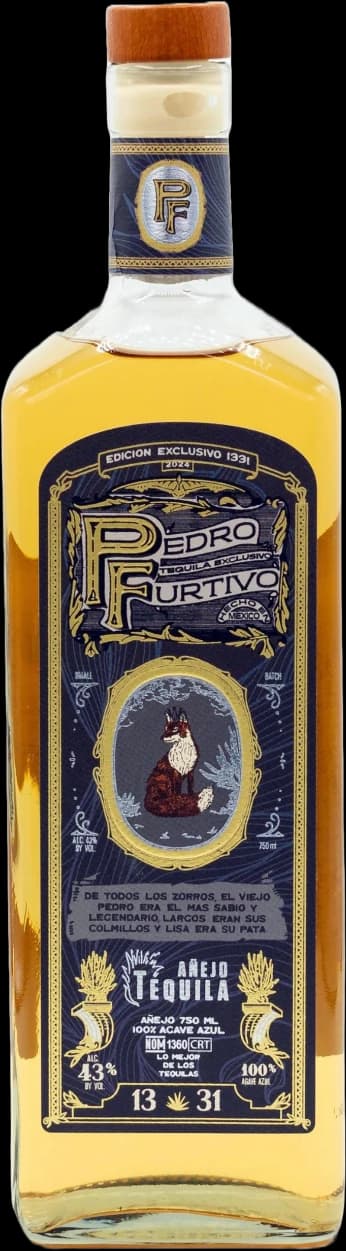
The same estate spirit is bottled three ways: Blanco unaged, Reposado rested six months in ex-bourbon and ex-Bordeaux barrels, and the Añejo, Edición Exclusivo 1331, aged over a year.

Why it matters
Time in wood is where the three part ways: bright and earthy unaged, rounder with vanilla and caramel after six months, deep and velvety after more than a year.
Reposado
6 months
Añejo
Over a year
Barrels
Ex-bourbon, ex-Bordeaux
Two bottles of Pedro Furtivo standing on an oak barrel in the aging room

VII. Embotellado

Step 7: Bottling

What happens
Before bottling, tequila is proofed to its bottling strength with water and filtered. Many brands also add sweeteners, glycerin or coloring at this stage, which the rules allow up to a limit.
How Pedro Furtivo does it

Pedro Furtivo is certified additive-free by the Tequila Regulatory Council (CRT): nothing is added to what the agave, water, yeast and wood made.

Small batch, 750 ml: Blanco and Reposado at 40% ABV, the 1331 Añejo at 43% ABV.

How and where we bottle and label: details from our production team coming soon

Why it matters
Additive-free means the flavor in your glass is only what the estate and the process made.
Certified
Additive-free (CRT)
Batch
Small batch
Bottle
750 ml

Who’s behind it

Three founders, three jobs

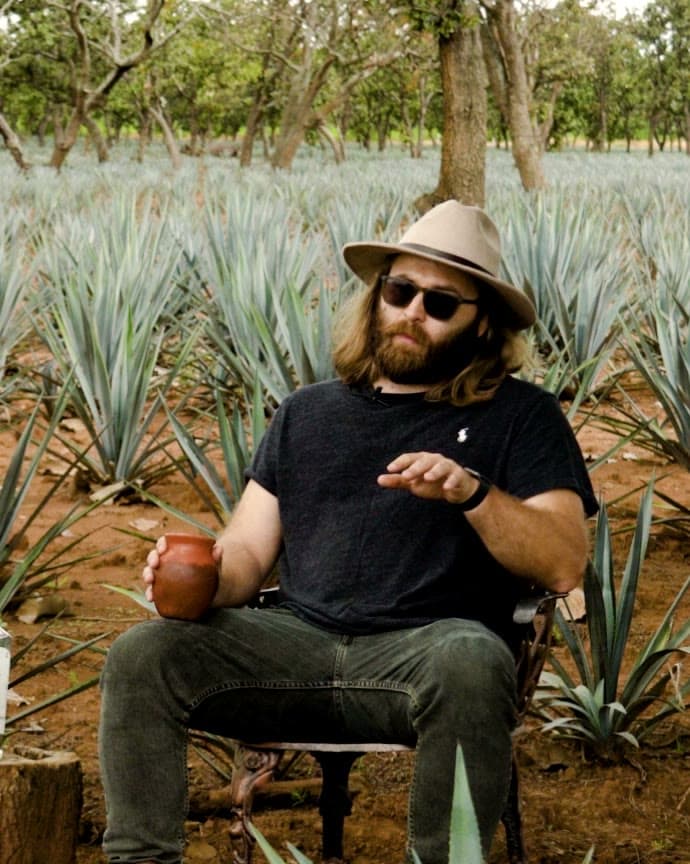
Peter Kiley seated among the agave rows in a black tee, holding a clay cup, from the Origin Story film

Tequilero

Peter Kiley

Co-Founder & Tequilero

The tequilero: leads the production side of the partnership.

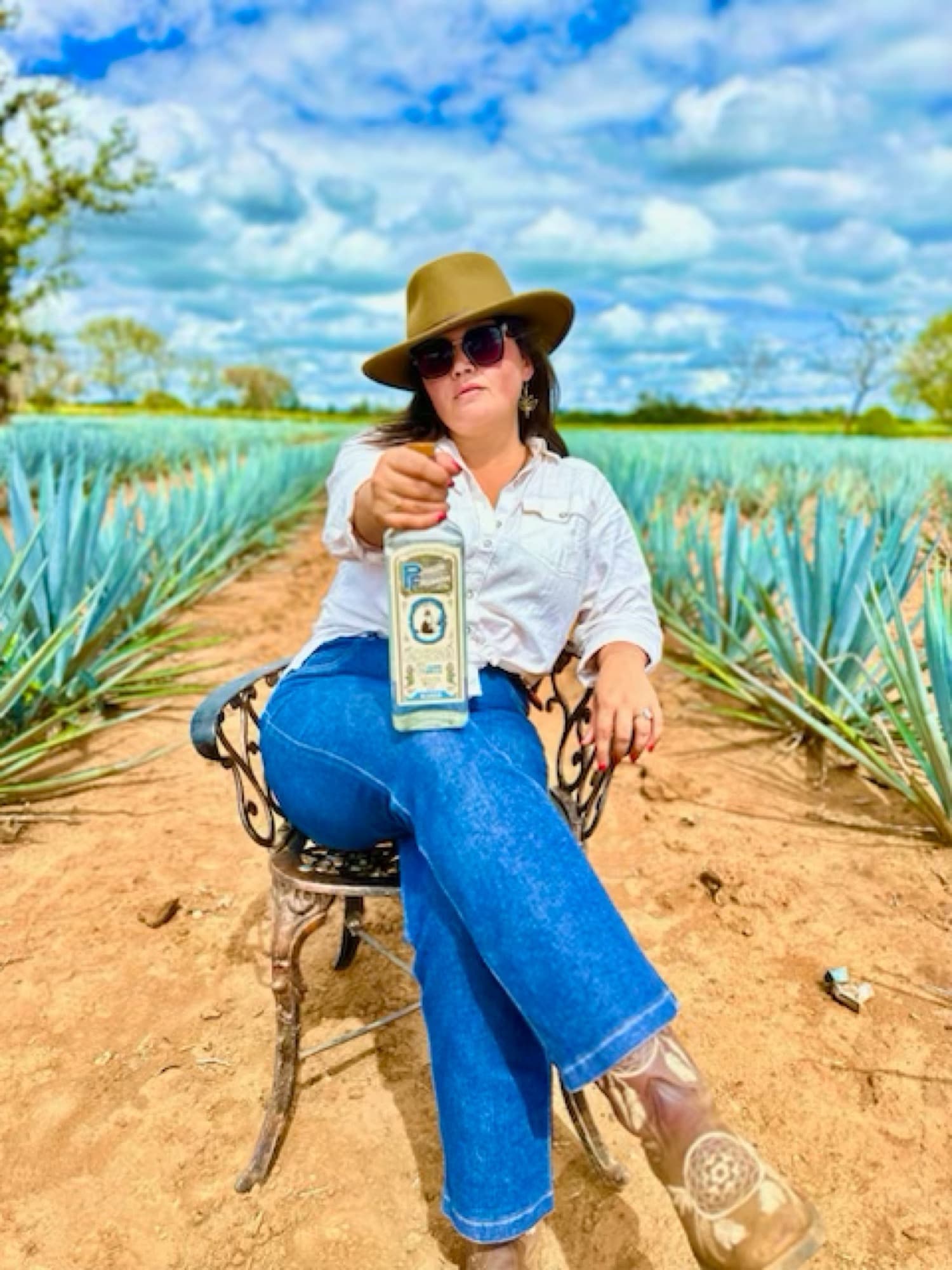
Rachel Kiley seated among rows of blue agave, holding a bottle of Pedro Furtivo

CEO

Rachel Kiley

Co-Founder & CEO

The CEO: runs Sneaky Pete Spirits, from the finished bottle to the shelf.
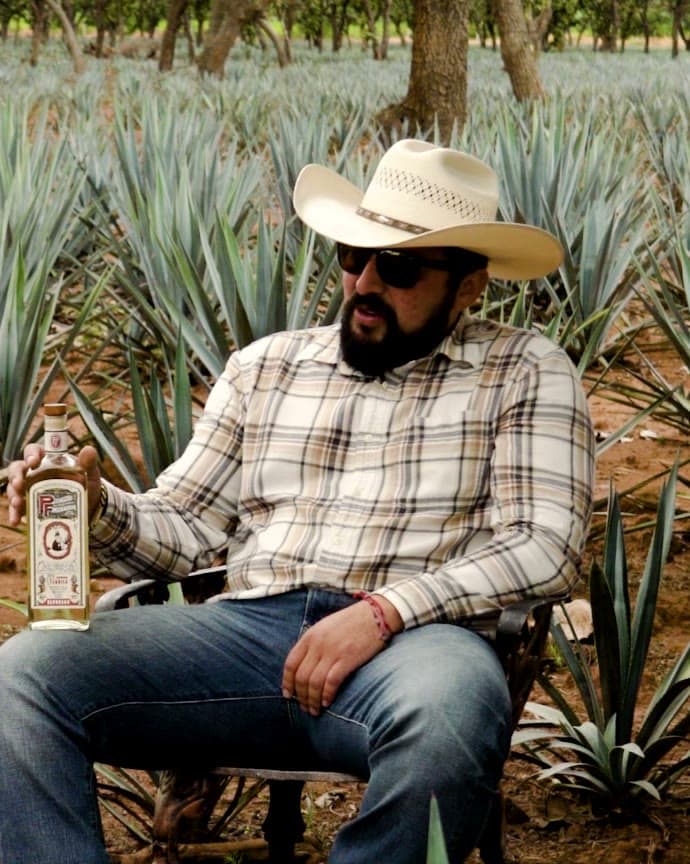
Omar Martinez seated among the agave rows in a plaid shirt, a bottle of Pedro Furtivo on a stump beside him, from the Origin Story film

Agavero

Omar Martinez

Co-Founder & Agavero

Grows the agave azul on the Martinez family estate: step one, and the six to seven years before it.

  • Agave

    100% agave azul

  • Estate

    Single estate, Ixtlahuacán del Río

  • Certified

    Additive-free (CRT)

  • NOM

    1360

Interested in having an event with PF?

A few details and we’ll be in touch. Fields marked * are required.

Protected by ALTCHA